Plastering & Repairs
7 Signs Your Plaster Walls Need Repair
· By Cleiton Melquiades da Silva
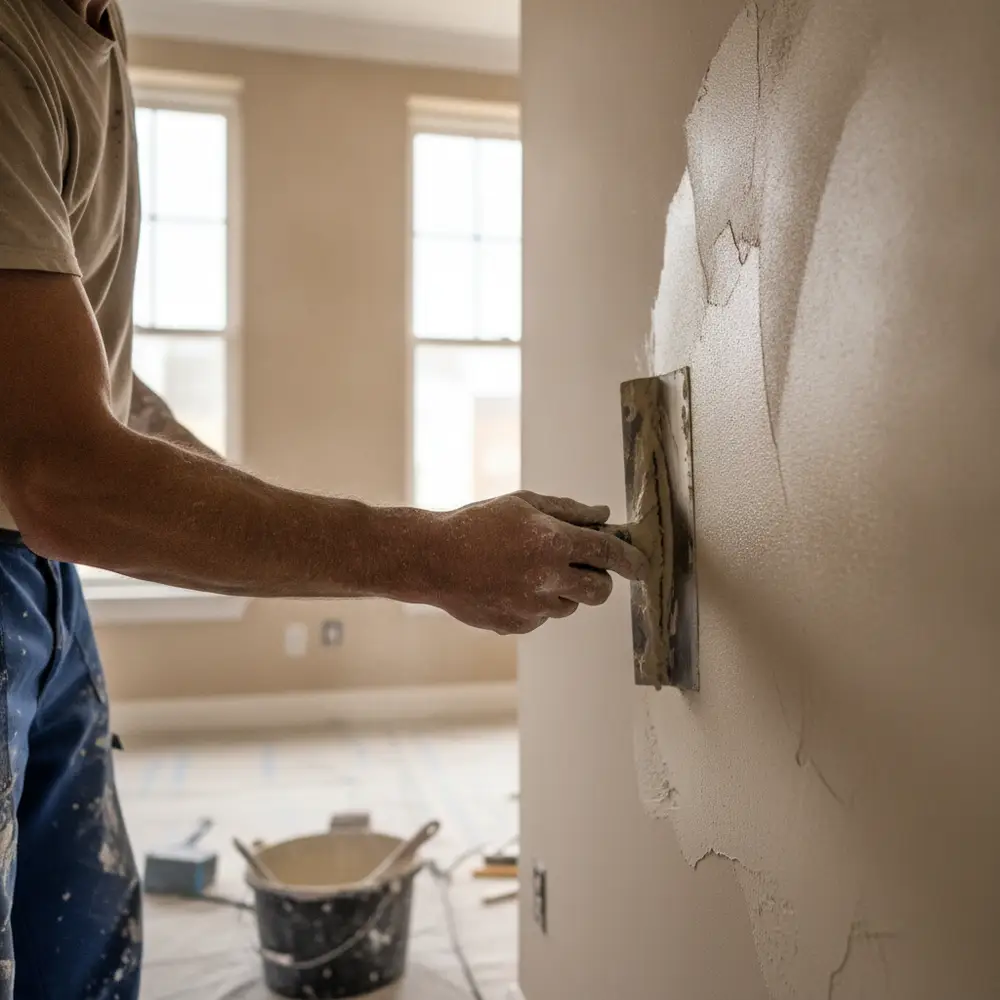
If you own an older home in Massachusetts, Connecticut, New Hampshire, or Maine, chances are your walls are real plaster over wood or metal lath, not modern drywall. Plaster was the standard for generations of New England construction, and when it is in good shape it is denser, quieter, and more fire-resistant than drywall. The catch is that plaster ages, and the way it fails is often slow and easy to miss until a chunk lets go.
The good news is that plaster almost always warns you before it fails. Small clues on the surface tell you what is happening behind the wall, and catching those clues early is the difference between a quick patch and a full section rebuild. Below are seven signs that your plaster walls need attention, and how to tell whether each one is just cosmetic or a sign of something structural underneath.
1. Hairline and Spider Cracks
Thin cracks that branch out like a spider web are the most common thing homeowners notice. They usually show up in the top coat of plaster and are caused by normal settling, seasonal humidity swings, and the natural aging of the finish. On their own, these are almost always cosmetic.
The fix is straightforward: the cracks get opened slightly, filled, and the surface is skim-coated so it blends back into the wall. What matters is watching whether a hairline crack stays put or keeps growing. A crack that returns in the same spot after a repair, or one that slowly widens over a season, is telling you the movement behind it has not stopped, and that is worth a closer look.
2. Bulging or Sagging Walls
Run your eye along the wall in raking light, or set a straightedge against it. If you see a section that bows outward or dips inward instead of sitting flat, the plaster is starting to pull away from the lath behind it. This is not cosmetic. It means the bond that held the plaster in place has weakened, and gravity is doing the rest.
A bulge can hold for years or it can come down in a single winter, and there is no reliable way to eyeball which. This is one of the clearest signals that plaster needs professional attention. Depending on how far it has moved, the section can sometimes be re-secured to the lath and refinished, and sometimes it needs to be removed and rebuilt. Either way, waiting rarely makes it cheaper.
3. Soft or Hollow Spots When You Press
Press gently on a suspect area with the flat of your hand. Solid plaster feels firm and does not move. If the wall gives slightly, flexes, or sounds hollow when you tap it, the plaster has separated from the lath even if the surface still looks fine from a few feet away.
This is the early stage of the same problem that produces a visible bulge, just before it shows. It is one of the most useful checks you can do yourself, because it finds trouble while it is still small. A hollow spot the size of a dinner plate is a much smaller repair than the whole wall coming loose later, so it is smart to have it looked at rather than left alone.
4. Brown Water Stains
A brown, yellow, or tan stain spreading across plaster means water has reached it, and water is one of the fastest ways to ruin a plaster wall or ceiling. The stain itself is cosmetic, but the moisture behind it is the real issue. Plaster that stays damp loses strength, and repeated wetting will eventually crumble it and rot the wood lath underneath.
Before any patching makes sense, the source has to be found and stopped, whether that is a roof leak, a plumbing line, or condensation. Painting over a water stain without fixing the leak just hides the damage while it keeps growing. Once the area is dry and the source is handled, the stained plaster can be assessed, repaired, and refinished.
5. Crumbling or Powdery Plaster
If plaster flakes off, turns to powder when you touch it, or leaves chalky dust on the floor at the base of the wall, the material itself is breaking down. This often happens where plaster has taken on moisture over time, or simply where a very old finish has reached the end of its life. It can be cosmetic if it is limited to the surface skim coat, but it can also run deeper.
The concern is that crumbling plaster no longer holds a patch well, because you are trying to bond new material to something that is falling apart. A professional can tell how far the deterioration goes and whether the affected area needs the loose material cleared back to sound plaster before rebuilding. Left alone, a small crumbling patch tends to spread outward.
6. Large Cracks Around Doors and Windows
Cracks that run diagonally from the corners of door and window frames are different from the fine spider cracks in sign one. These openings are the weak points in a wall, and a wide crack radiating from a corner, especially one you can fit a coin into or one that keeps opening, can point to structural movement in the framing or foundation, not just the plaster.
Not every corner crack is serious, but the wide, growing ones deserve to be evaluated rather than simply filled. If the underlying movement is not addressed, the crack will keep coming back no matter how well the plaster is patched. A proper assessment looks at whether the wall just needs a solid repair or whether something behind it needs attention first.
7. Failing Keys (Plaster Detaching From the Lath)
Traditional plaster holds itself to the wall through what are called keys or buttons: as the wet plaster was troweled on, it squeezed through the gaps in the lath and hardened into little hooks on the back side. Those hooks are what keep the whole wall up. Over decades of vibration, moisture, and age, keys break off, and once enough of them fail the plaster is only resting against the lath instead of gripping it.
Failing keys are what ultimately cause the bulging, hollow, and sagging you read about above, and this is a structural problem, not a surface one. You cannot always see it directly, but it is the root cause professionals check for when a wall feels loose or bows out. The repair usually involves re-securing the plaster to the lath or the framing behind it, then refinishing, so the wall grips again instead of hanging on by what is left of its keys.
Frequently asked questions
- Can plaster be repaired, or does it have to be replaced?
- In most cases plaster can be repaired rather than torn out and replaced. Cracks, small hollow areas, water-stained sections, and even walls that are loosening can often be re-secured, patched, and refinished so they blend into the original. Full replacement is usually only needed when a large area has deteriorated beyond saving or has taken heavy water damage. The right call depends on how far the problem has gone, which is why an in-person look matters.
- Are cracks in plaster serious?
- It depends on the crack. Fine hairline and spider cracks are usually cosmetic and come from normal settling and aging. Wide cracks, cracks that keep returning in the same spot after being patched, or cracks radiating from the corners of doors and windows can point to movement behind the wall and deserve a closer look. A good rule of thumb: if a crack keeps growing or reopening, have it evaluated rather than just filled.
- Why is my plaster cracking?
- Plaster cracks for several reasons. Everyday causes include seasonal humidity changes, normal house settling, and the simple aging of an old finish. More significant causes include moisture reaching the wall, the plaster separating from the lath behind it, or movement in the framing or foundation. Fine surface cracks are usually harmless, but repeated or widening cracks are a sign that something underneath is still moving.
- Can you match old plaster to the rest of the wall?
- Yes. A skilled plaster repair blends the patched area into the surrounding wall by matching the texture and finish, then feathering the new work so the seam disappears once painted. Older plaster often has subtle surface character, and part of a quality repair is respecting that so the fix does not stand out as a flat, obviously new patch next to the original.
- Is it worth saving plaster instead of switching to drywall?
- For many older New England homes, yes. Real plaster is denser than drywall, which makes it better at blocking sound and more solid to the touch, and it is a feature of a period home worth keeping. Repairing sound plaster is often more practical than gutting a wall down to the studs. That said, in areas with severe damage, replacing a section with drywall can be the sensible choice. A professional can walk you through the trade-off for your specific walls.
- How do I get my plaster looked at?
- The simplest step is to have someone experienced with plaster come see the walls in person, since so much of the diagnosis comes down to pressing, tapping, and reading the surface in the right light. Papito Inc offers free estimates across Massachusetts, Connecticut, New Hampshire, and Maine, and you can reach the team at 781-498-8099 to set up a visit.
Related services
Serving
Found this helpful? Make Papito Inc a preferred source on Google.